Exactly How a Reputable Heating And Cooling System Boosts Indoor Air Quality and Convenience
A reliable a/c system is vital for keeping indoor air top quality and convenience. It controls temperature level and humidity, creating a healthier living setting. Effective air filtering gets rid of allergens and toxins, while proper moisture degrees protect against mold and mildew growth. Regular maintenance warranties peak performance, improving system performance. Comprehending these parts reveals just how they interact to develop a fresh atmosphere. However, the partnership in between HVAC systems and total wellness goes much deeper than one might anticipate.
Recognizing the Essentials of HVAC Equipments
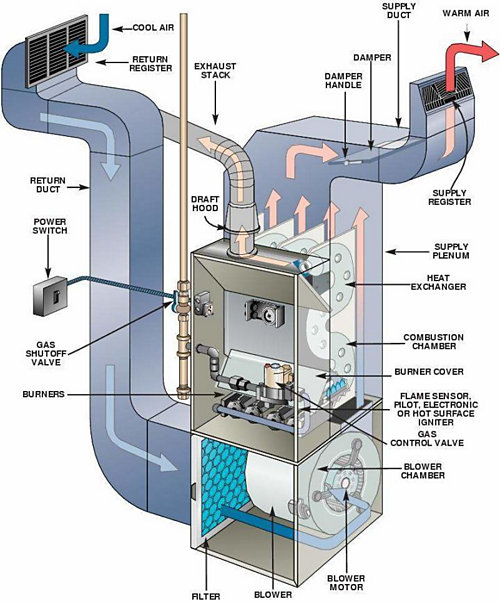
Cooling and heating systems, basic for modern convenience, include air, heating, and air flow conditioning parts that collaborate to regulate interior environments. These systems are created to keep suitable temperature levels, guaranteeing that rooms continue to be comfortable no matter of external weather. Heating aspects, such as heaters or heatpump, offer warmth throughout colder months, while cooling systems cool down areas when temperatures rise.
Ventilation plays a vital role, assisting in the blood circulation of fresh air and removing stagnant air, which helps in maintaining a balanced atmosphere. Various types of a/c systems exist, including systematized and decentralized arrangements, each suited for various structure sizes and purposes. Furthermore, modern innovations have presented wise modern technologies, permitting boosted control over indoor environment. Understanding these basics allows users to value how a/c systems contribute to overall wellness and comfort in commercial and household spaces alike, preparing for discussions on their effect on indoor air high quality.
The Function of Air Purification in Indoor Air Quality
A notable aspect of preserving interior air quality works air filtration, which plays a necessary duty in eliminating pollutants and irritants from the atmosphere. Heating and cooling systems outfitted with top notch filters can capture an array of pollutants, consisting of dirt, plant pollen, family pet dander, and mold spores. This filtration process significantly lowers the focus of air-borne fragments, causing a cleaner and healthier indoor environment.
Furthermore, regular maintenance of air filters is vital to guarantee peak efficiency. Blocked or filthy filters can hinder air movement, lowering the system's effectiveness and possibly allowing pollutants to circulate within the area. By changing or cleaning filters as recommended, house owners can boost their heating and cooling system's capacity to supply fresh air.
Humidity Control and Its Effect On Convenience
While several may concentrate on temperature level law, humidity control is just as important for maintaining convenience in interior atmospheres. High moisture levels can cause discomfort, making spaces feel warmer than they actually are, while low humidity can trigger dryness, irritation, and enhanced vulnerability to respiratory system problems. A dependable a/c system plays a considerable duty in managing indoor moisture, making sure that air is neither too damp neither as well completely dry.
Optimum moisture levels generally vary from 30% to 50%, advertising a comfy ambience. When moisture is well-regulated, owners experience boosted thermal comfort, enhanced interior air quality, and minimized threats of mold development and allergen expansion. Appropriate moisture control can shield furnishings and architectural elements from damage created by excessive dampness or dryness. Consequently, integrating reliable moisture monitoring into heating and cooling systems is essential for fostering a pleasurable and healthy and balanced indoor setting for wellness and productivity.
The Significance of Routine Maintenance
Regular upkeep of cooling and heating systems is vital for ensuring peak performance and longevity. This positive method not just reduces prospective failures however likewise enhances power efficiency, which can result in significant price financial savings with time. Scheduled evaluations allow service technicians to identify and deal with issues prior to they escalate into pricey repair work, making sure the system runs efficiently.
Additionally, regular maintenance includes cleansing or changing filters, checking cooling agent degrees, and examining ducts, all of which add to perfect air movement and system effectiveness. By preserving the a/c system, property owners can additionally prevent excessive deterioration on parts, prolonging the general life expectancy of the device.
In addition, a well-kept a/c system operates silently and safely, decreasing the danger of hazardous situations. In conclusion, routine maintenance is a vital investment in both the efficiency of heating and cooling systems and the comfort of interior environments, inevitably promoting a healthier space.

Exactly How Cooling And Heating Equipment Reduce Allergens and Pollutants
Effective heating and cooling systems play a necessary role in decreasing irritants and read more contaminants within indoor environments, thus boosting general air top quality. These systems utilize advanced filtering modern technologies that catch dirt, pollen, mold and mildew spores, and pet dog dander, stopping them from flowing throughout the space. High-efficiency particle air (HEPA) filters are specifically efficient, capturing up to 99.97% of fragments as small as 0.3 microns.

Power Performance and Its Benefits for Health and wellness
Energy-efficient HVAC systems not only minimize power usage yet likewise have significant wellness benefits for occupants. By enhancing power usage, these systems can keep consistent interior temperature levels, which assists prevent the growth of mold and mildew and mold. Managing humidity degrees is important for respiratory health and wellness, as excess dampness can exacerbate allergic reactions and bronchial asthma. Additionally, energy-efficient systems often integrate advanced filtration technologies that boost air high quality by removing airborne particles and pollutants, further enhancing general health.
Lower power usage indicates lowered emissions from power plants, contributing to cleaner outdoor air quality, which indirectly supports the health of locals. With a concentrate on sustainability, energy-efficient HVAC systems advertise a healthier living environment. By spending in such systems, home owners not only reduce energy expenses yet additionally make a substantial dedication to the wellness of their family members and areas. Ultimately, power effectiveness in heating and cooling systems cultivates a healthier interior atmosphere for all.
Enhancing Convenience With Smart Technology Integration
As smart technology remains to develop, its integration into cooling and heating systems substantially improves indoor comfort. Smart thermostats, as an example, enable individuals to customize heating and cooling timetables based upon their everyday regimens, guaranteeing ideal temperature levels when individuals are home. These tools can learn choices in time, changing setups automatically for optimum comfort.
Wise sensors monitor interior air top quality and humidity levels, providing real-time responses that aids maintain a healthy atmosphere. By interacting with a/c devices, these sensing units can trigger adjustments to airflow and temperature, ensuring regular comfort.
Mobile applications additional equip customers, enabling remote of heating and cooling settings from anywhere, thus giving comfort and versatility.
Regularly Asked Questions
How Can I Tell if My A/c System Is Effective?
To determine HVAC effectiveness, one can examine power bills for anomalies, inspect for uncommon sounds, monitor temperature level uniformity, warranty correct air flow, and timetable normal maintenance. These variables collectively indicate the system's operational effectiveness and efficiency.
What Indicators Indicate Poor Indoor Air Top Quality?
Indications of inadequate indoor air top quality include relentless smells, excessive dirt accumulation, increased allergic reaction signs, visible mold growth, and rising and fall humidity levels. These indicators often recommend that air flow or air purification systems may be malfunctioning or insufficient.
Can an A/c System Aid With Pet Dander?
Exactly how Frequently Should I Change My Air Filters?
Air filters need to generally be replaced every 1 to 3 months, relying on usage and interior air top quality. HVAC experts. Regular replacement helps preserve effective air flow and minimizes dust, allergens, and various other particles in the home environment
What Are the Prices of Cooling And Heating System Installation?
The costs of heating and cooling system setup normally vary from $3,000 to $7,000, relying on variables such as system type, home size, and local labor rates. Additional attributes may enhance total expenditures significantly.
A dependable HVAC system is essential for preserving indoor air top quality and comfort. Heating and cooling systems, fundamental for modern comfort, include air, home heating, and ventilation conditioning elements that work together to regulate indoor environments. Reliable Cooling and heating systems play a crucial duty in reducing irritants and pollutants within interior environments, thus improving overall air quality. A HVAC system can significantly lower family pet dander by utilizing innovative filtering systems and regular maintenance (HVAC experts). The prices of A/c system installment normally range from $3,000 to $7,000, depending on variables such as system type, home size, and regional labor rates